Feeling like an active part of a community is not easy, especially when you are young. At that age, it is not always clear what a community really is or what it means to play an active role in creating change.
Yet, through their unique perspective on the world, children can imagine and inspire new forms of change, offering fresh ideas that can also teach adults something new.
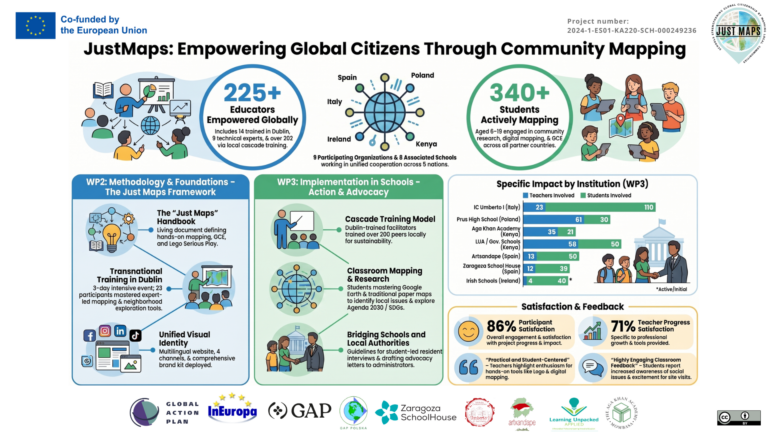
This is precisely why we believe that the Erasmus+ project Just Maps – Schools Strengthening Global Citizenship by Mapping Local Communities can play an important role in supporting young people to become active global citizens. The project does so by co-creating and imagining educational tools together with teachers from schools in Italy, Spain, Poland, Ireland, and Kenya.
Teachers are the true co-protagonists of this story. They are committed to engaging and training fellow educators to take part in the project by introducing them to the core idea behind Just Maps: mapping communities and places of belonging in order to identify social and environmental injustices.
The project enables participating students to get to know the communities they live in and to develop a stronger sense of belonging by observing them closely, understanding how they function, and working together to identify possible solutions to the issues they uncover. Building on this work, students will then have the opportunity to engage in dialogue with local policymakers and present their own action plans.
To make this possible, the teachers involved have not even taken a break over the summer. Throughout the season, they have organised numerous formal and informal meetings with fellow educators, introducing them to topics such as:
- What is a map, and what different types of maps exist?
- How and what to map.
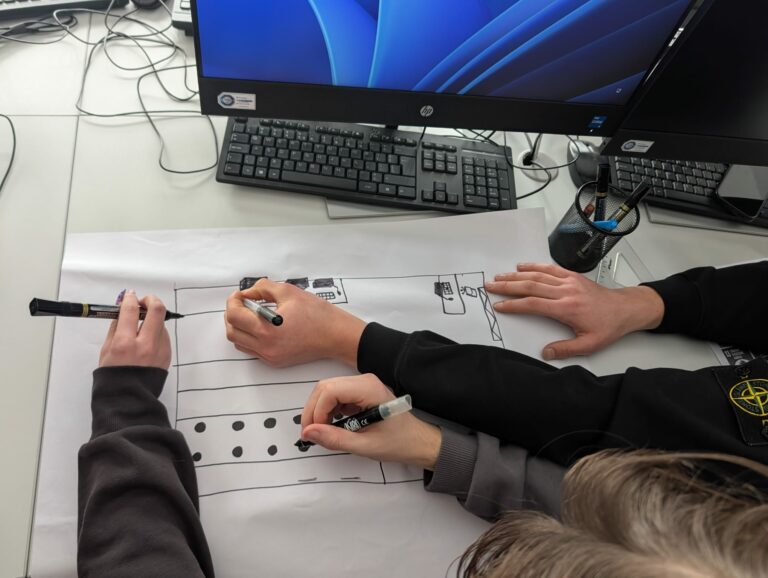
- Tools and methods for community mapping.
- The role of teachers and the objectives of the Just Maps project.
In Poland, nearly 50 teachers from Prus High School attended an introductory Just Maps workshop in July. Participants highlighted that the project goes far beyond the study of geography, addressing social, urban, and environmental issues while offering a broader, interdisciplinary perspective.
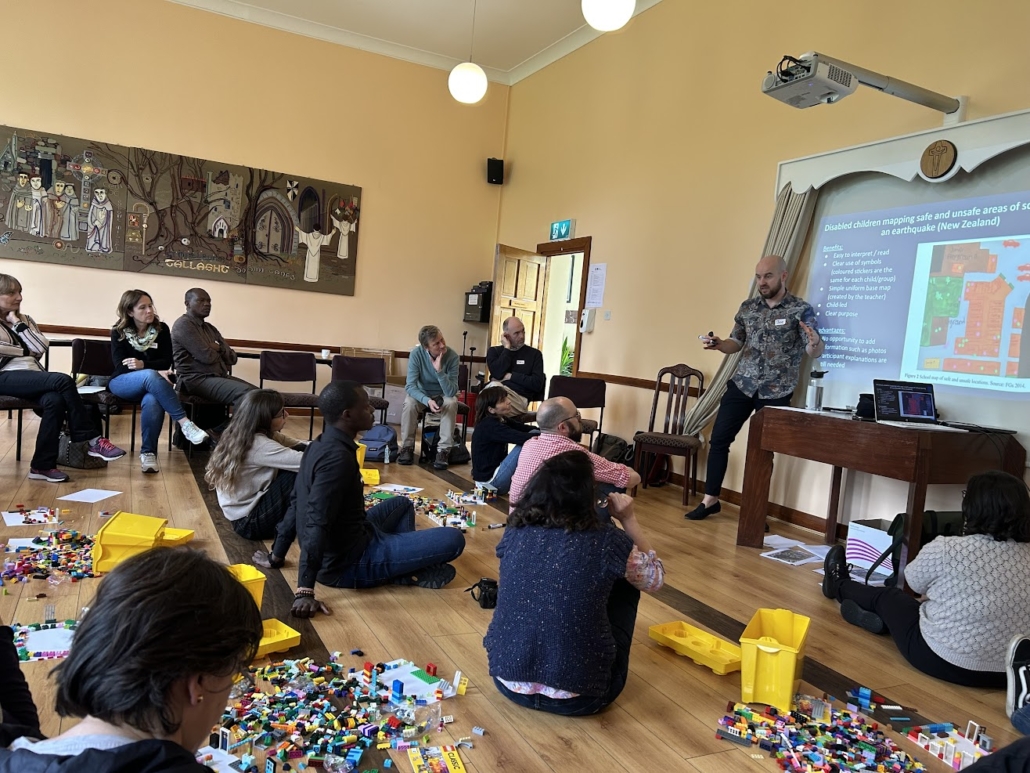
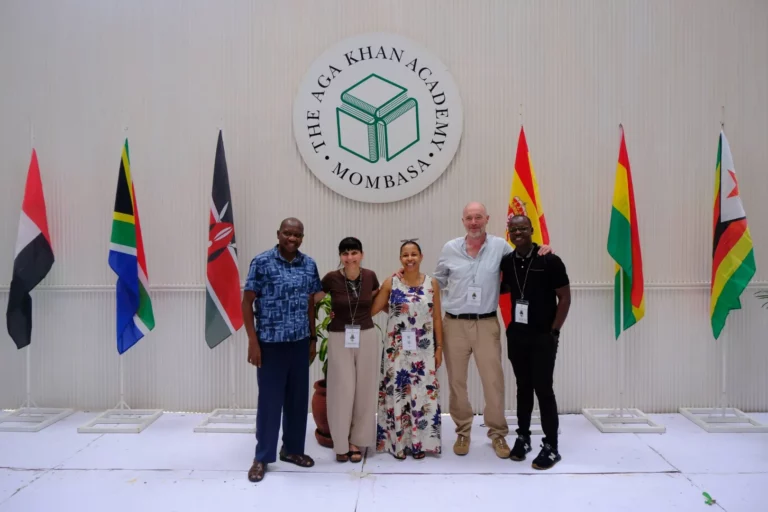
In Kenya, at the Aga Khan Academy Mombasa, an initial training session gave teachers the opportunity to gain hands-on experience by using building bricks to experiment with their first mapping activities. Language, humanities, science, and other subject teachers took part, demonstrating that mapping is not limited to geography but can foster cross-curricular connections and provide new ways of understanding the world around us.
Teachers in Italy, Ireland, and Spain have also shown great enthusiasm for the project. In the coming months, they will take part in dedicated training activities to prepare for the new school year and to support their students in becoming active agents of positive change.